


Perspective, aging, and living fully in the present.
There is a well-known adage: "Youth is wasted on the young."
It isn't a cynical critique; it is an observation on how perspective shifts as we age. When we are younger, our attention is naturally focused forward, navigating social expectations, building careers, and managing acute anxieties.

The neurosomatic blueprint for healthy boundaries.
In a fast-paced environment with endless notifications, demands, and social expectations, setting firm personal boundaries is essential for health. Boundaries are not rigid walls built to push people away; they are a clear functional framework defining how you manage your time, physical space, and emotional energy.
Mismatch negativity & resilience: Why failure forges neural strength.
Resilience is widely admired, the ability to adapt, bend under strain, and bounce back stronger after adversity. However, resilience is not an inherent trait reserved for a select few. It is an acquired neurobiological skill forged through difficulty, trial, and error. In a culture obsessed with immediate success, we often view failure as an endpoint.

Neural entrainment & expression: How art regulates your brain.
We often view art (music, visual design, theatre, or architecture) as an optional cultural luxury. Biologically, however, engaging with creative art is a powerful tool for regulating the central nervous system. In a culture focused heavily on productivity and analytical output, artistic expression and appreciation provide vital restorative input for our brain chemistry.

The chronobiology of a Kiwi summer: Why biological rest is essential.
There is a distinct biological transition when a New Zealand summer sets in, the call of Tūī in the coastal pōhutukawa, the hum of cicadas, and the sudden shock of cold ocean water along the Browns Bay shoreline. After months of winter strain and end-of-year rush, summer feels like a welcome break.

Central sensitisation: Why your nervous system keeps chronic pain "ON".
If you have lived with persistent pain, you have likely been told that your tissues have healed or that diagnostic scans show "nothing wrong." Yet, the pain remains intense and very real. In clinical practice, when pain outlasts normal tissue healing timelines, the driver is rarely ongoing structural damage.
Psychoneuroimmunology: The biological foundations of mental health.
We frequently talk about mental health as though the mind operates in isolation from the body. In clinical reality, psychological distress is rarely a purely mental event. Mood, anxiety, and cognitive stamina are deeply rooted in physical physiology, governed by neuro-inflammation, gut-microbiome signaling, and autonomic nervous system tone

The neurobiology of reflection: Clinical insights from 2025 and our path into 2026.
As one calendar year transitions into the next, the human tendency is to look back and evaluate progress. In clinical practice, reflection isn't just a mental exercise, it is a functional assessment. Just as our nervous system continuously integrates past sensory data to adapt to future demands, taking stock of our health journey allows us to recognise where we have built resilience and where our systems still require support.

The neurobiology of tradition: Why rituals calm the nervous system and build resilience.
When we think of traditions (a family recipe, seasonal gatherings, or shared cultural rituals) we tend to treat them as pleasant, nostalgic habits. In clinical reality, social traditions are far more than sentimental practices. They are powerful neuro-somatic anchors that regulate our nervous system, lower baseline stress, and foster systemic resilience.

Navigating end-of-year overwhelm: A neurobiological guide to holiday resilience.
We are constantly sold an idealised version of December: effortless social calendars, harmonious family reunions, and perfect summer holidays along the coast. In clinical practice, however, we see the reality: the end of the year frequently brings a compounding wave of financial pressure, complex family dynamics, grief, and severe social fatigue.
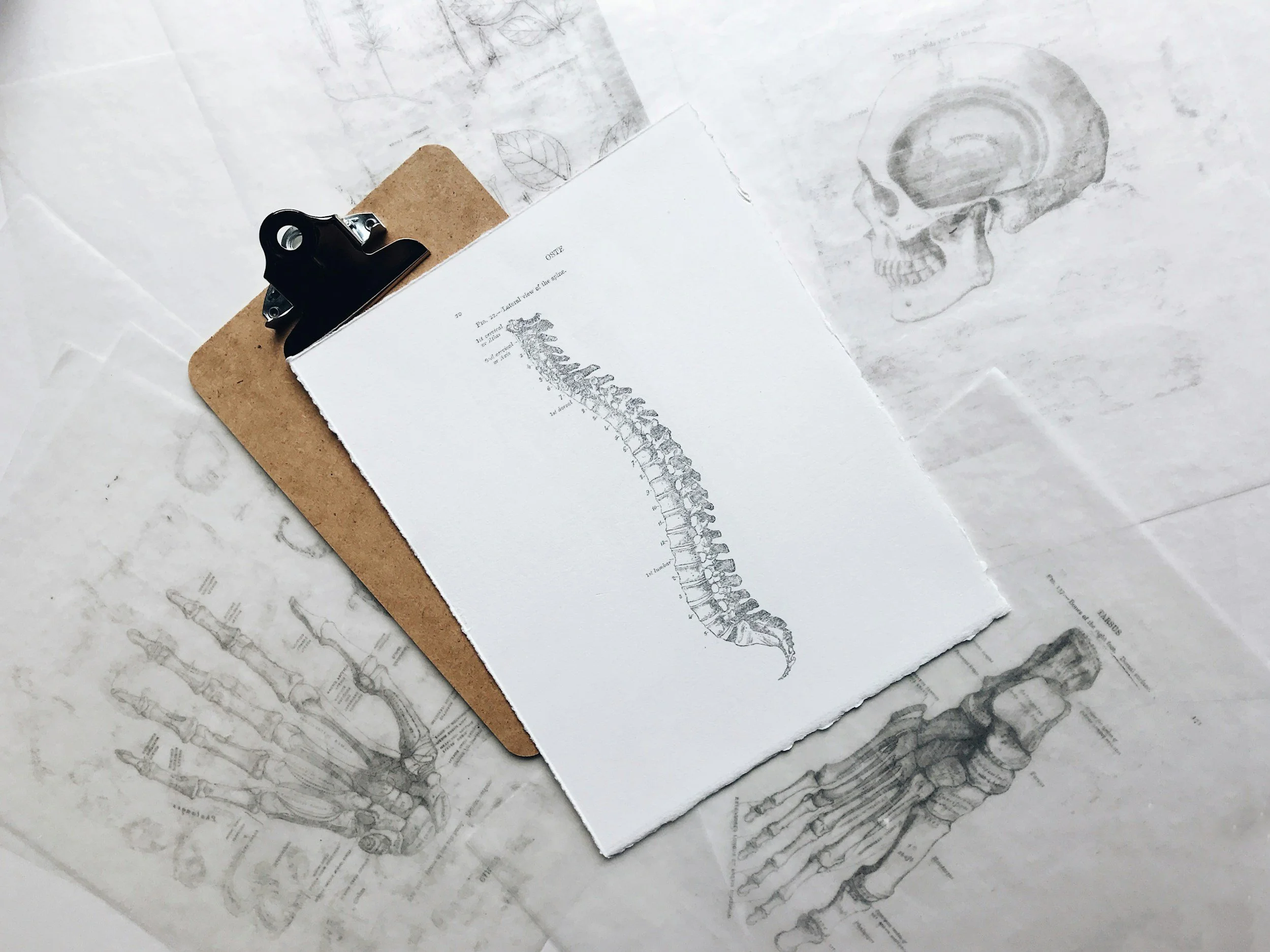
Biomechanics & the brain: The spinal cord as your central processing highway.
When people think of the spine, they usually imagine a rigid structural frame designed solely to hold us upright. In clinical reality, your spine is a dynamic neuro-mechanical structure. Its primary evolutionary role is not just weight-bearing, but the physical protection and mechanical support of your central nervous system:

The neuroscience of camera avoidance: Why showing up is an act of somatic self-acceptance.
"I hate having my photo taken." "I'll take the picture, you all go ahead."
In our Browns Bay practice, we frequently hear patients express these exact sentiments.

Breaking the rumination loop: How writing and movement unstick your nervous system.
We all hit periods where life feels like it's running on autopilot, or where a single problem creates a persistent feeling of mental paralysis. When you feel "stuck," it isn't just an abstract emotional state, it is a physiological one. When the brain senses ongoing uncertainty or chronic stress, it narrows its focus.

Beyond toxic positivity: The neurobiology of processing hard days.
We live in a culture saturated with curated highlight reels and persistent pressure to "just stay positive." When life gets genuinely difficult, chaotic, or overwhelming, this pressure to maintain a cheerful outlook isn't just unhelpful, it can be biologically counterproductive.

Chronobiology & health: Why your nervous system thrives on biological rhythms.
Look closely at human biology, and you will find that almost every physiological process is rhythmic. Our cells, organs, and nervous systems do not operate at a constant, linear output. They rely on complex biological clocks, from the millisecond firing of heart rate variability (HRV) and the 24-hour circadian rhythm to monthly infradian hormonal cycles.

The neurobiology of play: Why joy and laughter are essential for nervous system health.
In a culture focused on productivity, efficiency, and constant achievement, "fun" and play are often dismissed as non-essential luxuries. Biologically, however, play is not a frivolous distraction. It is a primal, hardwired neurological drive that regulates our nervous system, lowers systemic stress, and builds psychological resilience.

Movement as neurological food: Why exercise benefits your brain, heart, and spine.
We tend to measure physical activity in superficial terms, calories burned, miles logged, or muscle built. But from a neurological standpoint, exercise is much more than a metabolic tool. Every time you move a joint, contract a muscle, or change position, your body generates a massive pulse of sensory information that travels up the spinal cord to the brain.

Perception as physiology: The book that helped to shift how I see the world.
In my twenties, a decade spent questioning, searching, and trying to navigate my place in the world, I picked up a small book that fundamentally altered my perspective: Messiah's Handbook: Reminders for the Advanced Soul by Richard Bach. At the time, like many young adults, I viewed life through a lens of separateness:
From chronic overwhelm to autonomic resilience: A holistic chiropractic perspective in Browns Bay.
When we experience ongoing stress, we tend to talk about it as a mental or emotional state. But your nervous system doesn't separate mind from body. Every tight deadline, emotional strain, or unresolved physical injury contributes to what neuroscientists call allostatic load, the cumulative wear and tear on your physiology.
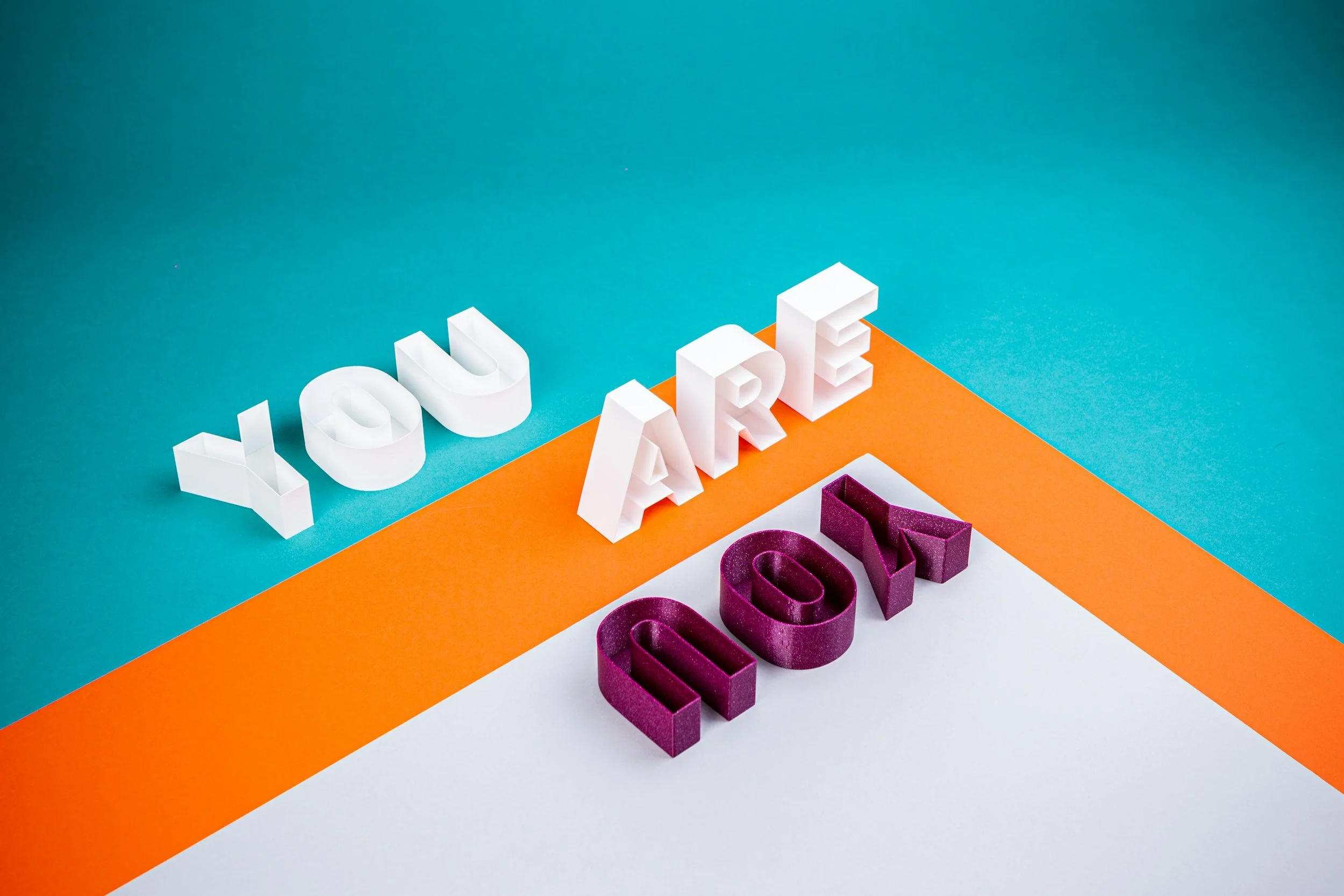
The physical cost of people-pleasing: How "shrinking" shows up in your body.
Have you ever walked into a room and immediately censored yourself? Maybe you held back an idea, downplayed an achievement, or quieted your natural energy just to avoid making someone else uncomfortable. Holding back to avoid conflict or judgment is a common self-preservation tactic.